

The JudyTone (®): Music Without Barriers
The JudyTone was created to answer a simple but urgent question:
How can we make music-making accessible to those who are physically unable to play traditional instruments?
For many individuals living with severe physical disabilities -particularly those with limited arm movement or confined to wheelchairs – participating in music can feel out of reach. Traditional instruments often require fine motor control, strength, or positioning that simply isn’t possible. Yet the need for creative expression, connection, and joy through sound remains just as strong.
The JudyTone was developed to bridge this gap.
A Practical Solution, Designed with Care
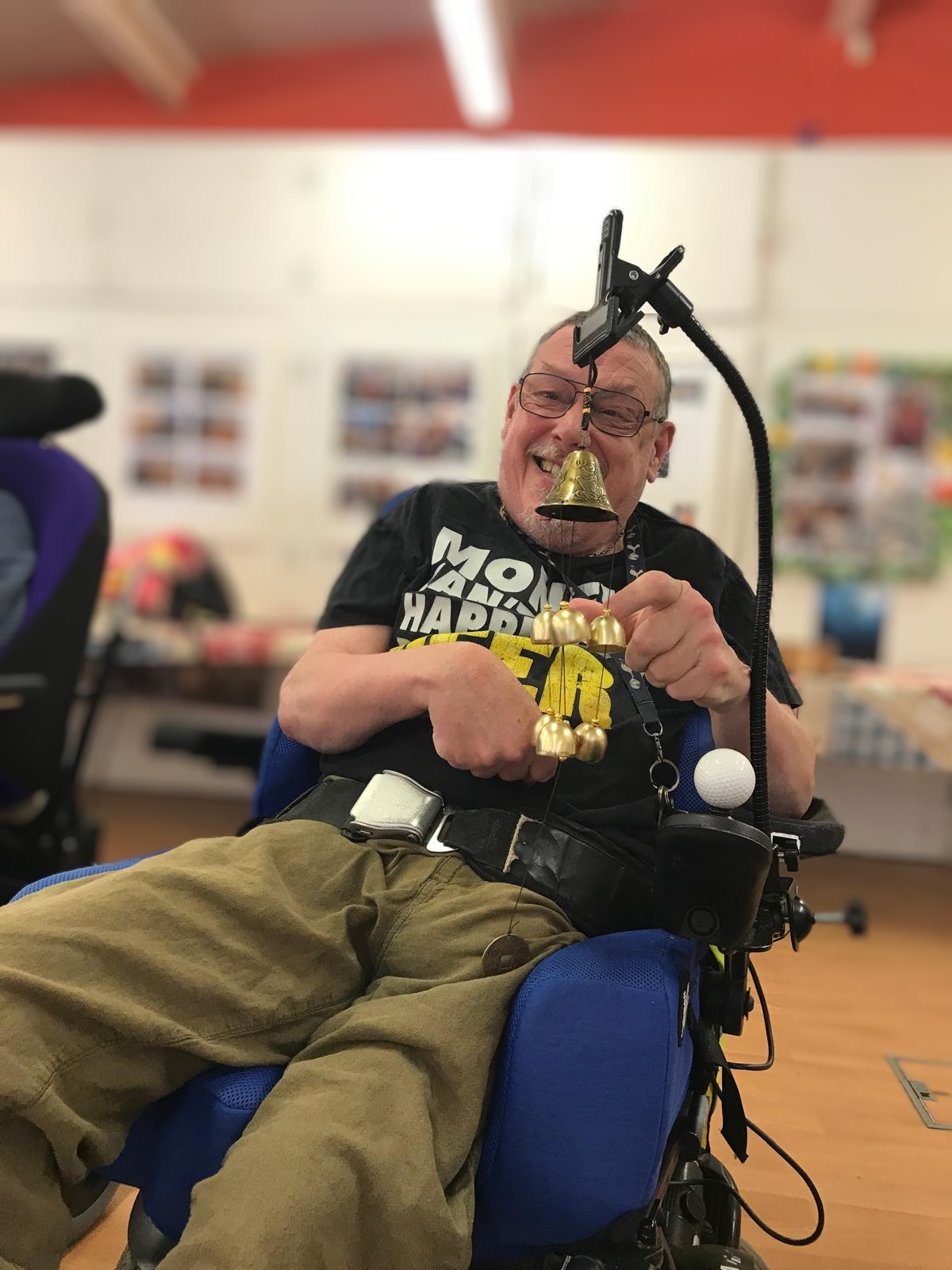
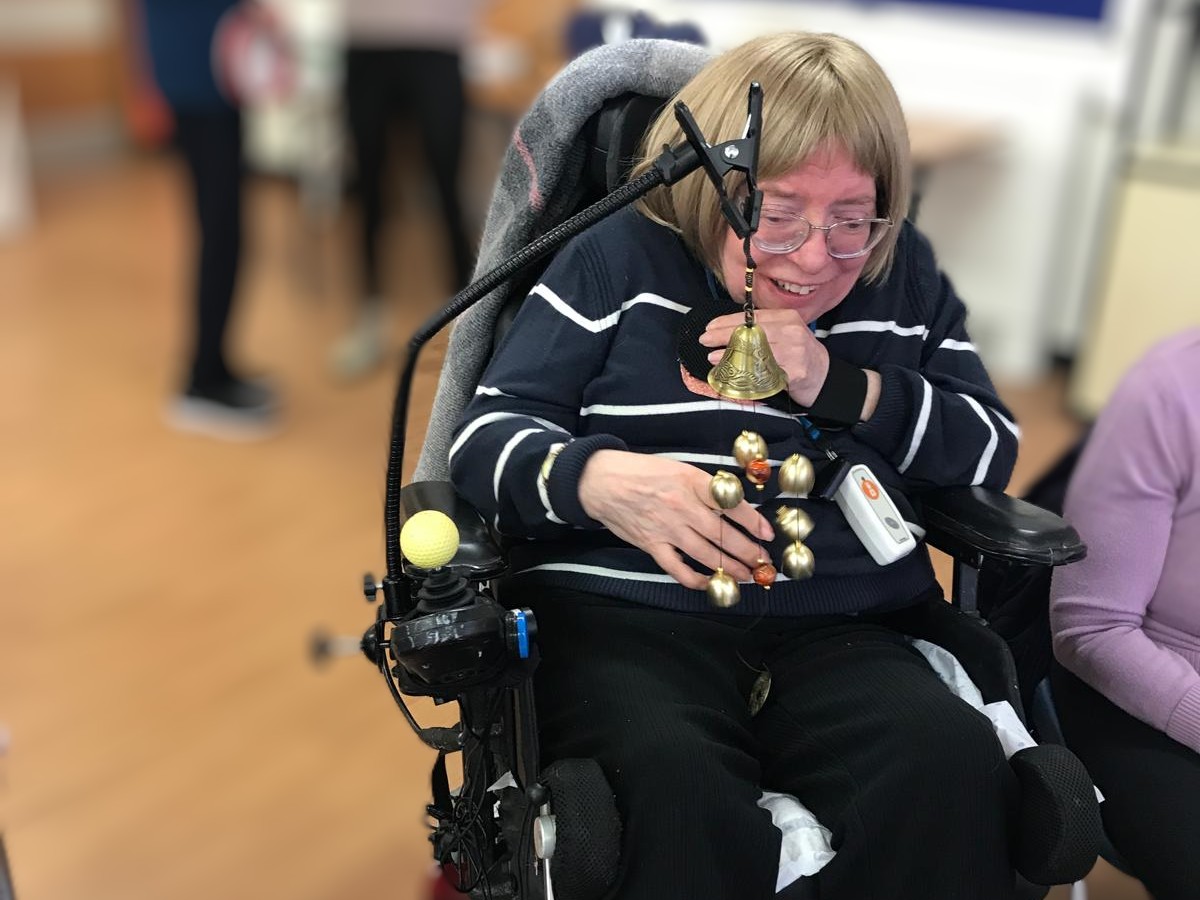
The JudyTone is a lightweight, adaptable musical device that attaches securely to a wheelchair or fixed position. It allows users to create sound through minimal movement—whether that’s a small gesture, a head motion, or assisted interaction.
Its design prioritises:
- Accessibility – usable with very limited mobility
- Flexibility – adaptable to different users and settings
- Durability – suitable for regular use in care environments
- Beauty – visually engaging, with soft colours and inviting materials
Every element has been carefully considered to ensure that the instrument is not only functional, but dignified and enjoyable to use.
Developed Through Real Experience
The JudyTone did not begin as a product—it began through direct work with individuals facing profound physical challenges.
Early prototypes were introduced in care centres and therapy settings, where participants were invited to explore the instrument in their own way. These sessions revealed something powerful: even the smallest interaction could produce a meaningful musical response, leading to moments of engagement, surprise, and joy.
One participant, who had not previously been able to engage with any instrument, was able to create a sequence of sounds using a single controlled movement. Staff reported increased alertness, focus, and emotional response during and after sessions.
Shaped by Feedback
The JudyTone has evolved significantly through user feedback.
Participants, carers, and therapists have all contributed to its development:
- Materials were refined after users responded positively to warmer, more natural textures
- Sound elements were adjusted to create a more resonant and satisfying musical response
- Mounting systems were redesigned to improve stability and ease of use
- Visual design was softened and simplified, making the instrument feel more welcoming and less clinical
In one trial, wooden chimes replaced synthetic ones following user preference for their tone and tactile quality—an adjustment that has now become a core feature of the instrument.
This ongoing dialogue between design and lived experience continues to shape the JudyTone today.
More Than an Instrument
The JudyTone is not just about sound—it is about:
- Agency – enabling individuals to initiate and control their own musical experience
- Connection – creating opportunities for shared musical interaction
- Inclusion – ensuring that no one is excluded from music-making due to physical limitation
It has been used in one-to-one therapy, group workshops, and informal settings, consistently demonstrating its ability to engage even those with the most complex needs.

Looking Ahead
The next phase of the JudyTone project focuses on expanding access – placing instruments in care centres, special schools, and refugee communities, and training facilitators to use them effectively.
As development continues, the core principle remains unchanged:
everyone deserves the opportunity to make music.

